
Seasonal Tips for Supporting Children with Autism in New Jersey
Understanding Seasonal Changes
Supporting children with autism through seasonal changes in New Jersey requires an understanding of how these transitions can affect them. Each season brings unique challenges and opportunities for children with autism, and being prepared can make a significant difference in their daily lives.
Children with autism may have heightened sensory sensitivities, making them more susceptible to changes in weather, clothing, and routines. Parents and caregivers should be aware of these potential triggers and plan accordingly to ensure a smooth transition.

Spring: Embracing New Beginnings
Spring is a time of renewal and growth, but it can also bring sensory overload with increased pollen and fluctuating temperatures. To support children during this time, consider the following strategies:
- Introduce new activities gradually to minimize overwhelming experiences.
- Use visual schedules to help children anticipate changes in their daily routines.
- Engage in outdoor activities to help them acclimate to the new environment.
By preparing for these adjustments, you can help children with autism enjoy the beauty of spring without unnecessary stress.
Summer: Managing Heat and Activities
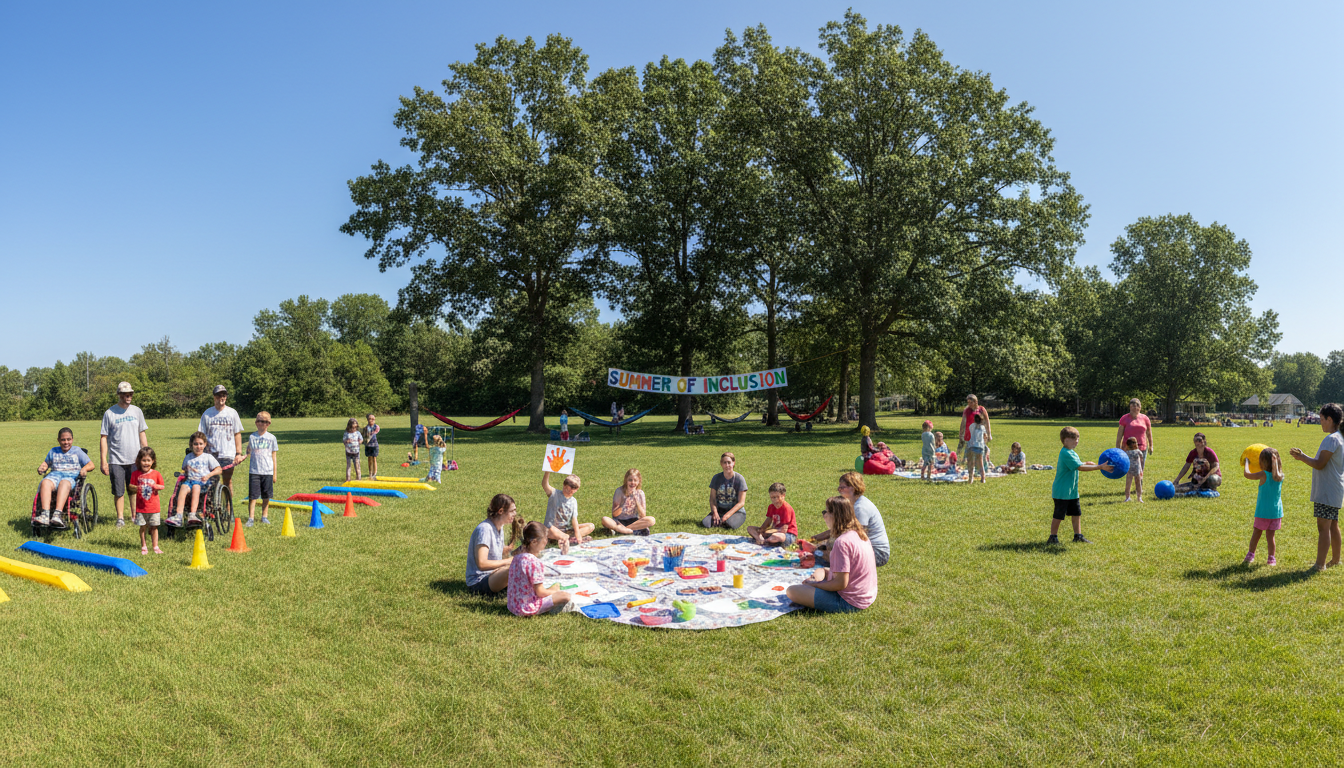
Summer in New Jersey often means hot weather and more opportunities for outdoor activities. For children with autism, this can present both excitement and challenges. Consider these tips for a supportive summer experience:
- Ensure hydration and use lightweight, comfortable clothing to keep them cool.
- Plan activities during cooler parts of the day to avoid overheating.
- Use social stories to prepare children for new or crowded environments, like the beach or amusement parks.
Autumn: Navigating Changes in Routine
With school starting and the environment changing, autumn can be a difficult season for children with autism. The key is to maintain consistency while introducing new elements gradually. Here are some ways to support them:
- Include children in back-to-school preparations to help them adjust to new routines.
- Use sensory-friendly clothing to accommodate the cooler weather.
- Create a calming environment at home to help them unwind after school.
These measures can help children feel more secure and comfortable during the autumn months.
Winter: Embracing Comfort and Routine
Winter in New Jersey can be harsh, with cold weather and shorter days. This season requires special attention to maintaining warmth and routine for children with autism:
- Provide sensory-friendly winter clothing to avoid discomfort from bulky layers.
- Engage in indoor activities that stimulate creativity and physical movement.
- Keep a consistent daily schedule to provide stability and reassurance.

By focusing on these strategies, you can help children with autism thrive during the winter season.
Conclusion: Year-Round Support
Supporting children with autism through the seasonal changes in New Jersey involves awareness, preparation, and empathy. Each season presents unique challenges and opportunities, and by implementing these strategies, caregivers can provide a nurturing environment for children with autism all year round.
Remember, the key is to be adaptable and understanding, ensuring that each child feels supported and secure, no matter the season.