
How Occupational Therapy Supports Autism Development in Middlesex County
Understanding Occupational Therapy and Autism
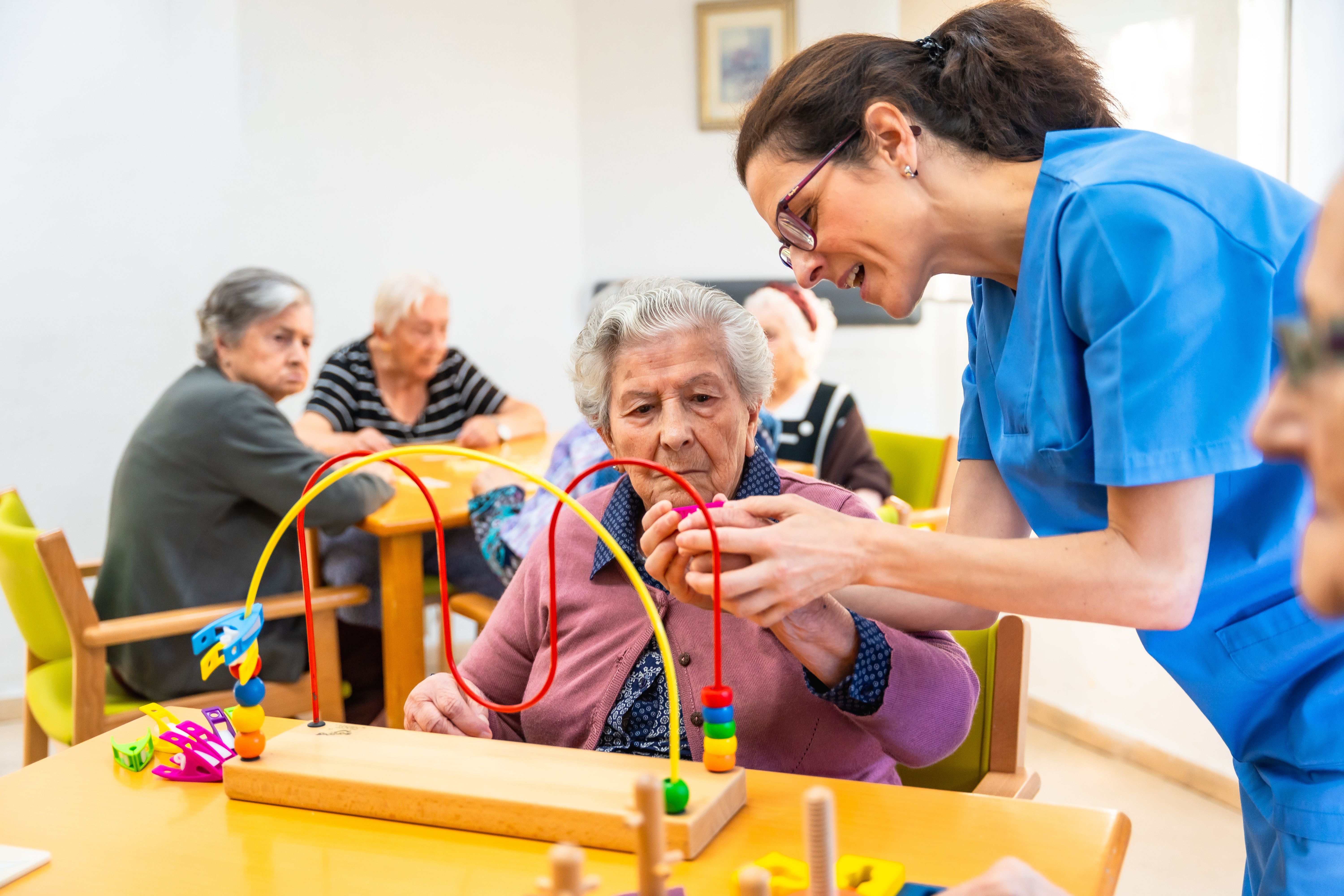
Occupational therapy (OT) plays a crucial role in supporting individuals with autism, especially in areas such as daily living skills, sensory processing, and social interaction. In Middlesex County, families and educators are increasingly turning to this therapeutic approach to foster development and independence in children and adults with autism.
Autism Spectrum Disorder (ASD) affects individuals differently, making personalized therapeutic interventions essential. Occupational therapists work closely with clients and their families to address specific challenges and build on strengths, enhancing quality of life and promoting self-sufficiency.
The Role of Occupational Therapy in Autism Development
Enhancing Daily Living Skills
One of the primary goals of occupational therapy is to improve daily living skills. Therapists help individuals with autism develop skills necessary for everyday tasks, such as dressing, eating, and hygiene. Through structured activities and routines, individuals learn to manage these tasks more independently.
Improving Sensory Processing
Many individuals with autism experience sensory processing challenges. Occupational therapists use specialized techniques to help them better respond to sensory input. By creating a sensory-friendly environment and using tools like weighted vests and fidget toys, therapists can help reduce sensory overload and improve focus.

Promoting Social Interaction and Communication
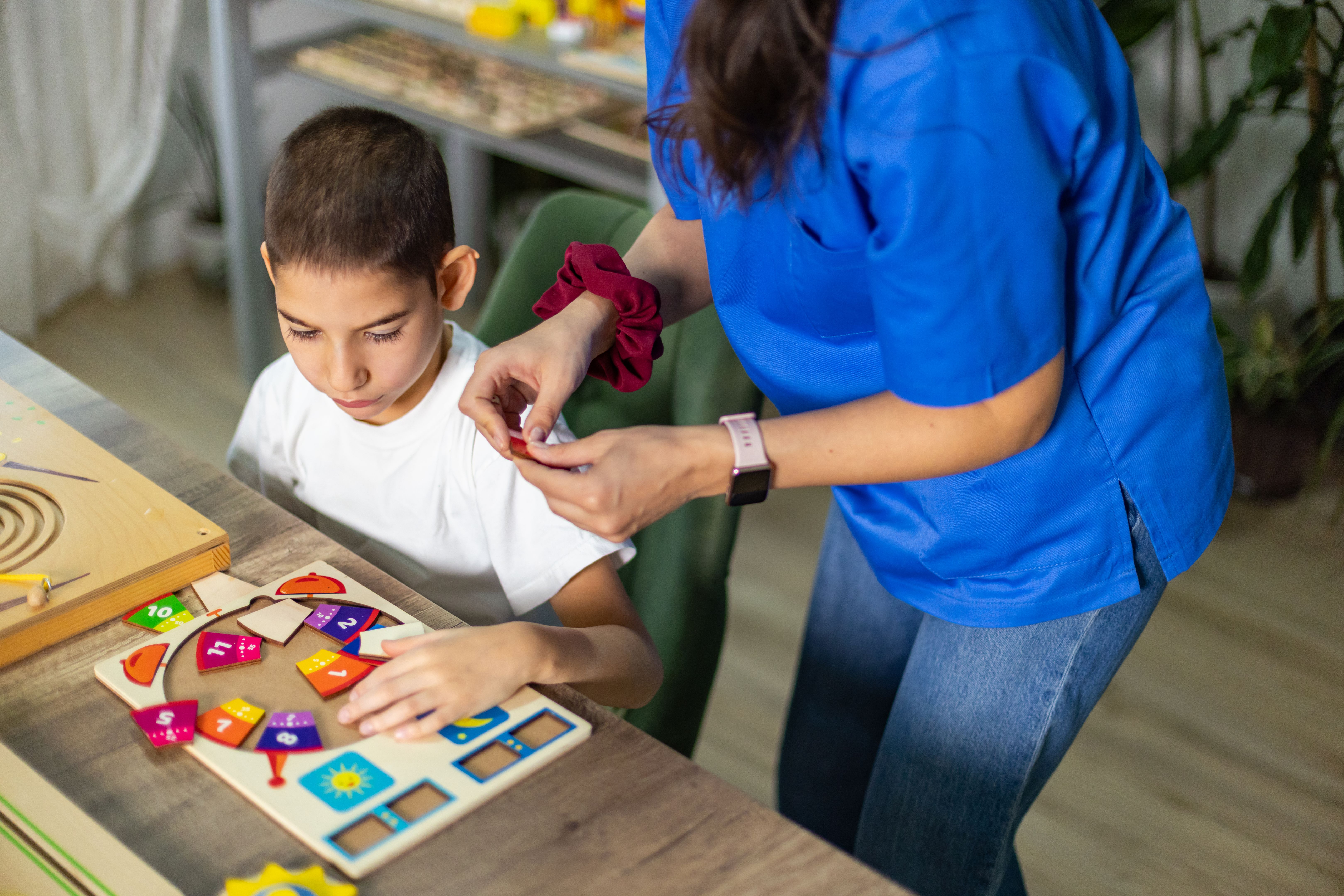
Social interaction can be particularly challenging for individuals with autism. Occupational therapy incorporates play-based activities and group sessions to enhance social skills. Therapists use role-playing and other interactive methods to teach communication strategies, helping individuals express themselves more effectively.
In Middlesex County, many therapy centers offer group sessions where individuals can practice these skills in a supportive environment, promoting peer interaction and collaboration.
Collaboration with Families and Educators
Effective occupational therapy involves collaboration with families and educators. Therapists in Middlesex County often work in schools and community settings, ensuring that strategies are consistent across environments. This collaborative approach helps reinforce skills and provides a support network for individuals with autism.
Families are encouraged to participate in therapy sessions and workshops to better understand the techniques used by therapists. This involvement empowers families to continue practicing skills at home, reinforcing progress made during therapy.
Choosing the Right Occupational Therapy Services
When looking for occupational therapy services in Middlesex County, it's important to consider the therapist's experience and approach. Many centers offer initial consultations to discuss individual needs and therapy goals. This personalized approach ensures that therapy is tailored to the unique requirements of each individual.
Parents and caregivers should also inquire about the availability of resources and support groups, which can be valuable in navigating the journey of autism development.

Conclusion
Occupational therapy provides invaluable support for individuals with autism in Middlesex County. By focusing on enhancing daily living skills, improving sensory processing, and promoting social interaction, occupational therapists play a key role in fostering development and independence. Through collaboration with families and educators, these efforts create a comprehensive support system, enabling individuals with autism to thrive.