
How In-Home ABA Therapy Fosters Independence in Children with Autism
Understanding In-Home ABA Therapy
Applied Behavior Analysis (ABA) therapy is a widely recognized approach for helping children with autism develop essential skills. In-home ABA therapy takes this effective method into the comfort and familiarity of the child's own environment. This personalized approach not only helps in building specific skills but also promotes greater independence in children.
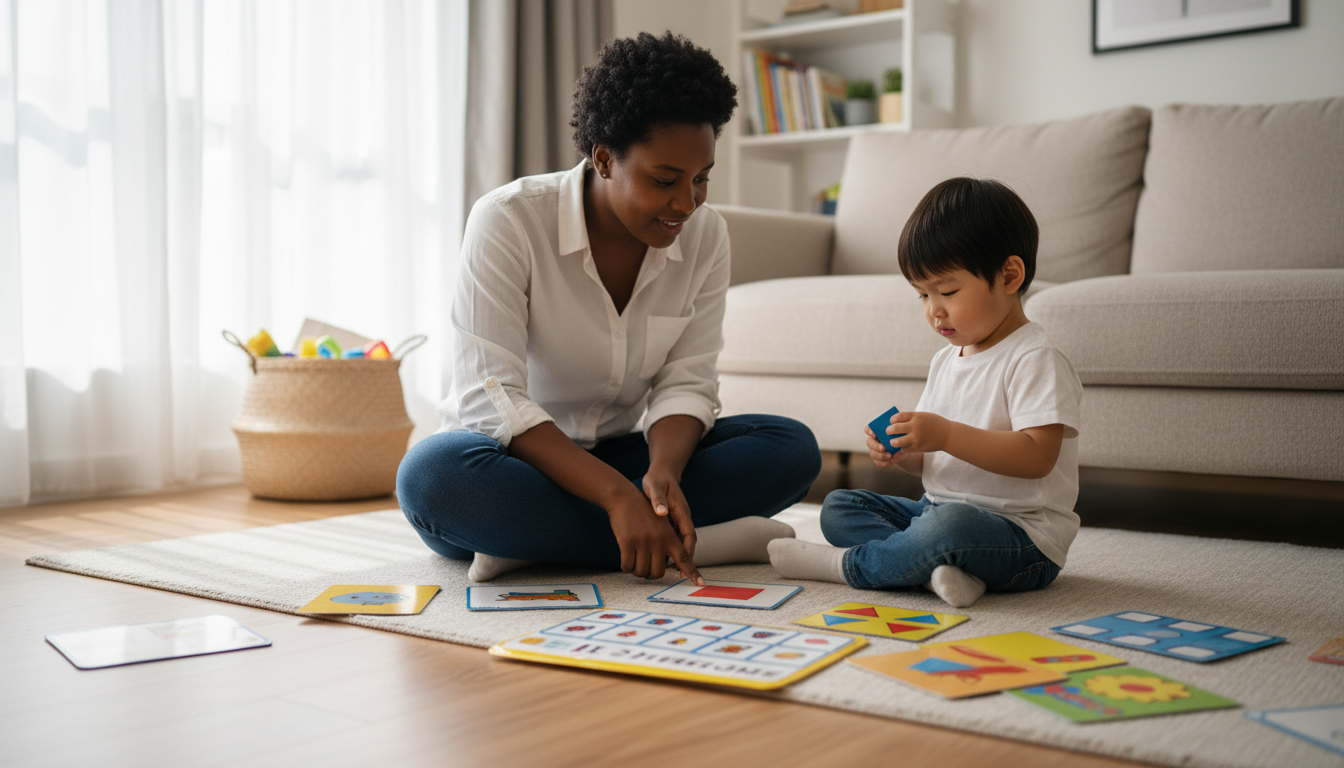
By conducting therapy sessions at home, therapists can tailor interventions to the child's unique needs and daily routines. This setting allows for more realistic and meaningful practice of skills, making it easier for children to apply what they've learned in real-life situations.
Building Daily Living Skills
One of the primary goals of in-home ABA therapy is to develop daily living skills. These skills are crucial for a child’s independence and can range from basic self-care tasks to more complex activities like meal preparation.
Therapists work with children to break down tasks into manageable steps, ensuring that each component is mastered before moving on to the next. This method builds confidence and competence, enabling children to perform tasks with minimal assistance over time.
Specific Skills Developed
- Personal hygiene routines
- Dressing and grooming
- Organizing personal belongings
Enhancing Communication Abilities
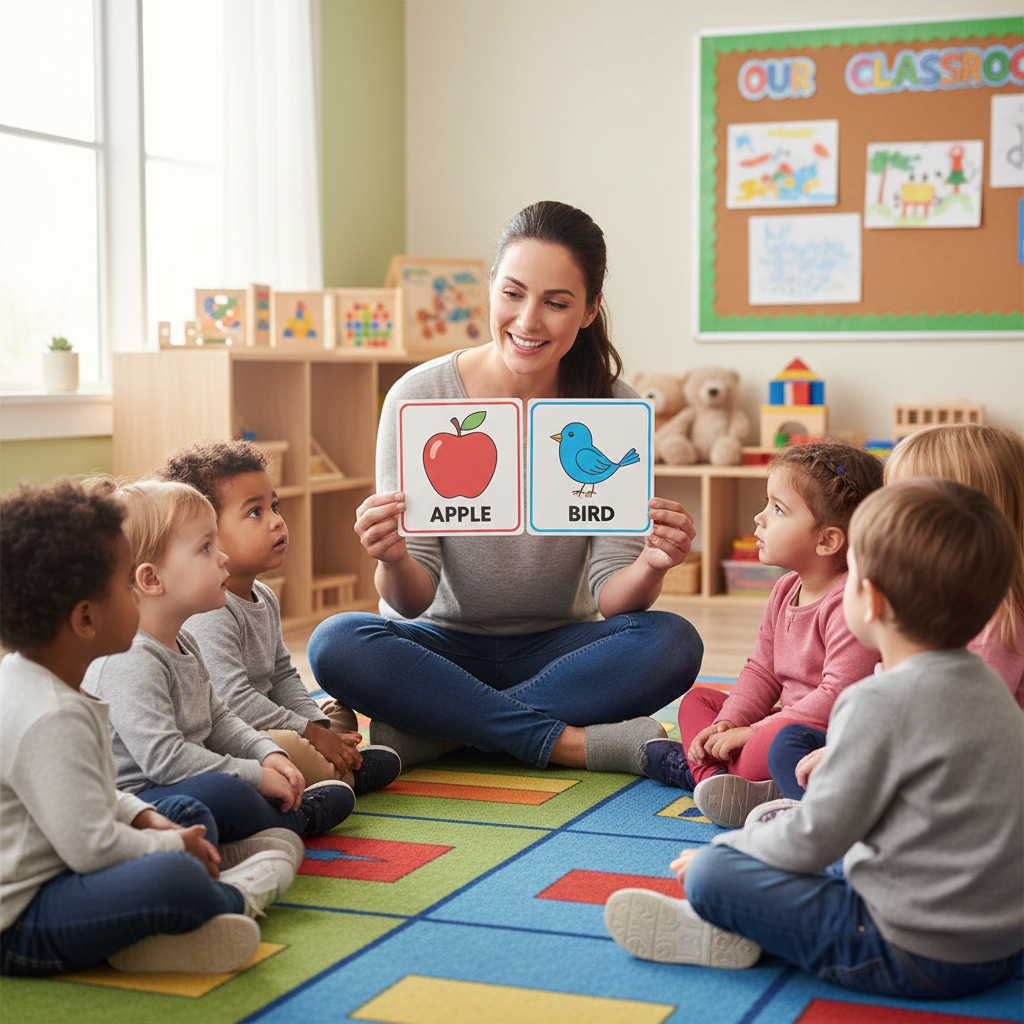
Effective communication is vital for independence. In-home ABA therapy focuses on enhancing both verbal and non-verbal communication skills. Therapists use strategies like modeling, reinforcement, and social stories to encourage children to express their needs and interact with others.
By improving communication, children can better navigate social situations and advocate for themselves, which is crucial for their autonomy.
Communication Strategies Used
- Speech exercises
- Use of visual aids
- Interactive play

Encouraging Social Interaction
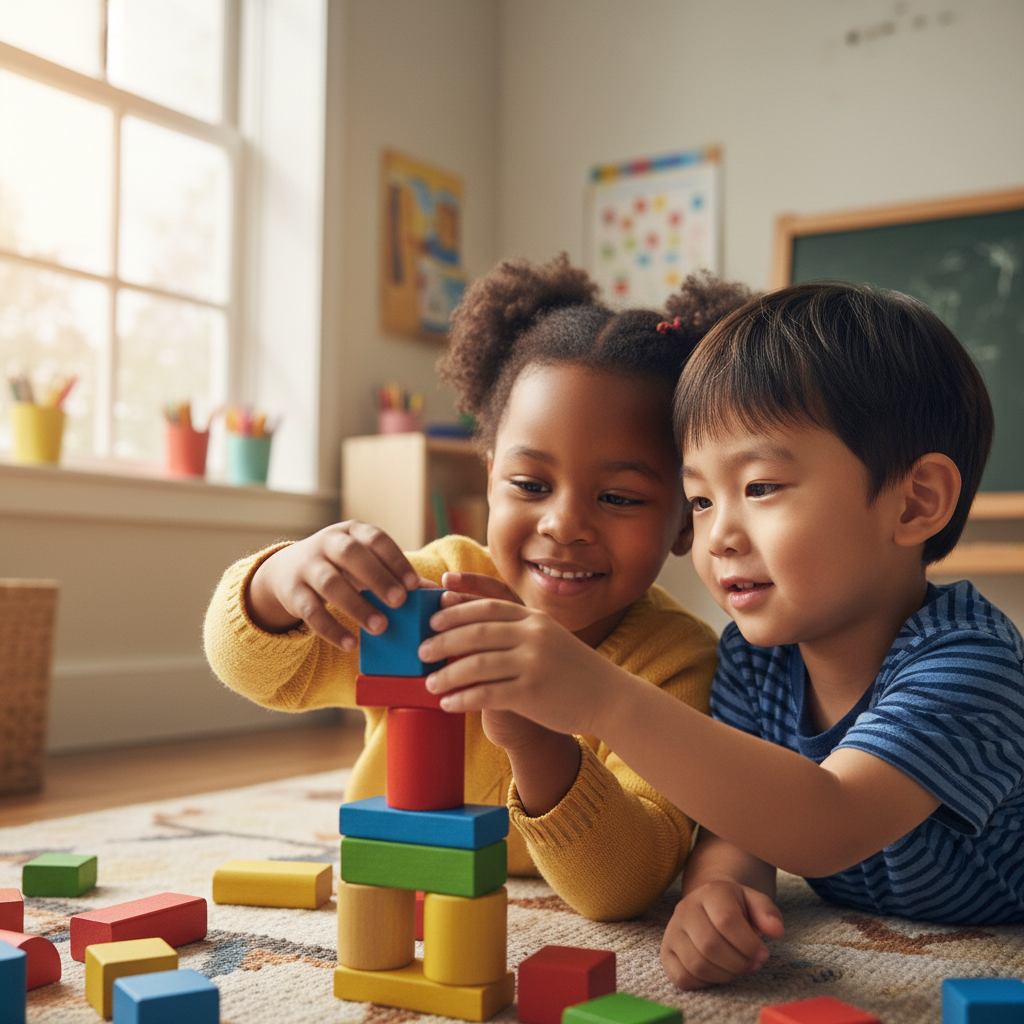
Social skills are another focus area in in-home ABA therapy. Children are taught how to initiate and maintain interactions with peers and adults. These skills are often practiced through play-based activities that mimic real-world scenarios.
Developing strong social skills allows children to build friendships, collaborate in group settings, and participate more fully in their communities.
Impact of Social Skills
Improving social interaction not only enhances a child's quality of life but also prepares them for future educational and vocational opportunities. This aspect of therapy is key to fostering independence.
Conclusion
In-home ABA therapy is a powerful tool for fostering independence in children with autism. By focusing on daily living skills, communication, and social interaction, this approach helps children gain the confidence and competence needed to navigate their world effectively.
With the support of dedicated therapists and the comfort of a familiar environment, children can make significant strides toward a more independent and fulfilling life.