
How In-Home ABA Therapy Empowers Independence for Children with Autism
Understanding In-Home ABA Therapy
Applied Behavior Analysis (ABA) therapy is a well-established approach to assist children with autism in developing vital skills. When conducted in the home setting, it creates a comforting environment that is both familiar and conducive to learning. This personalized approach tailors interventions to the child's unique needs, fostering a sense of security and comfort.
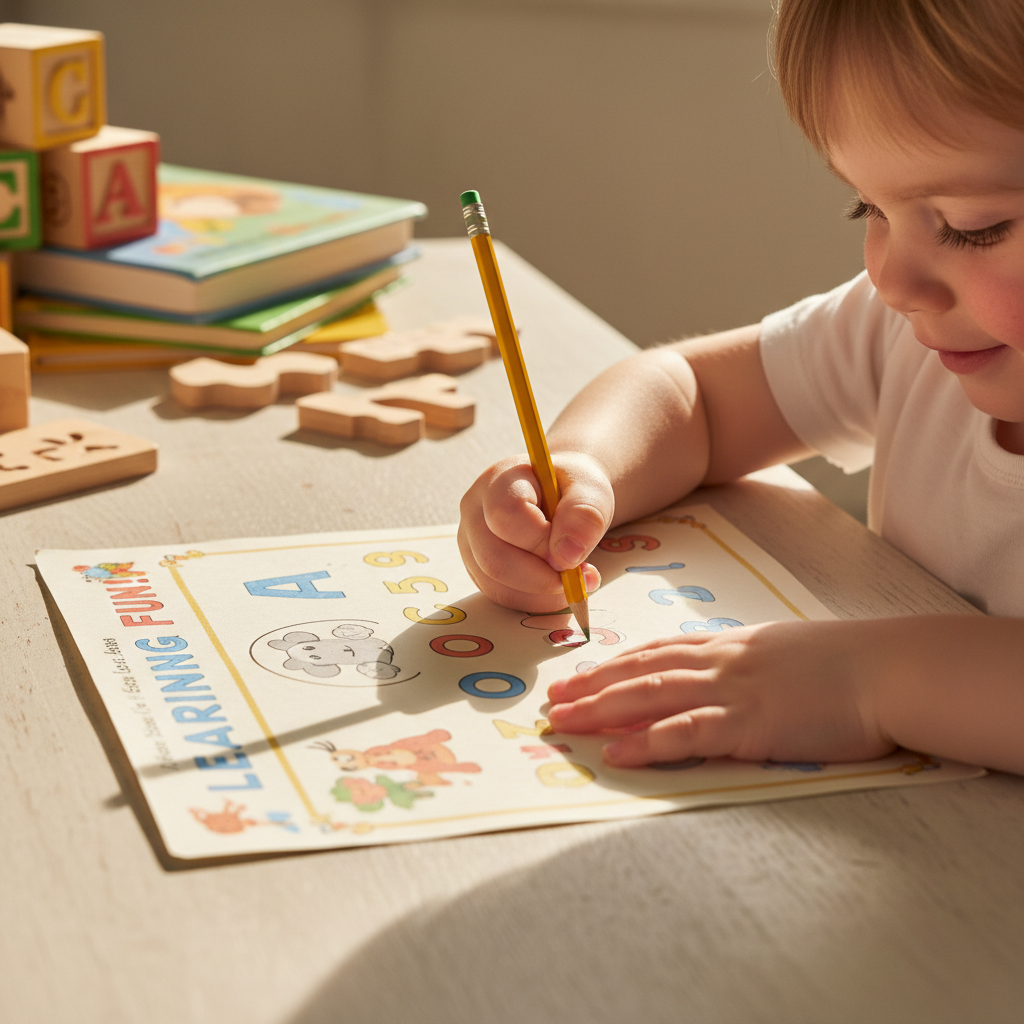
The home environment allows therapists to observe and address behaviors in real-time, providing immediate feedback and strategies to parents and caregivers. This collaborative approach helps create a consistent support system, essential for the child's progress and independence.
Building Essential Life Skills
In-home ABA therapy focuses on teaching essential life skills that promote independence. Skills such as communication, social interaction, and self-care are emphasized. By integrating these skills into daily routines, children learn to apply them naturally and effectively in their everyday lives.
Therapists work alongside families to set realistic goals, ensuring that each step toward independence is achievable and celebrated. This goal-oriented strategy helps children build confidence and encourages ongoing progress.

Enhancing Social Interactions
Social interaction is a crucial aspect of a child's development, and in-home ABA therapy provides a structured framework to enhance these skills. Children are taught how to initiate conversations, respond appropriately, and interpret social cues. These interactions are practiced in a safe space, allowing for gradual and sustained improvement.
By fostering these skills in a comfortable environment, children can practice social interactions with family members and friends, helping them to generalize these skills to other settings.
Parental Involvement and Empowerment
A significant advantage of in-home ABA therapy is the active involvement of parents and caregivers. This collaboration empowers parents with strategies and tools to support their child's development outside of therapy sessions. With ongoing guidance, parents become integral partners in the therapeutic process.

Such involvement not only enhances the effectiveness of the therapy but also builds a supportive community around the child, ensuring that progress is reinforced consistently.
Flexibility and Comfort
In-home ABA therapy offers flexibility that is often not possible in clinical settings. Sessions can be scheduled at convenient times, and interventions can be adapted to fit the family’s lifestyle. This flexibility ensures that therapy does not disrupt daily routines but rather integrates seamlessly into them.
The comfort of being at home also reduces anxiety and stress for children, allowing them to focus more on learning and less on adapting to a new environment.
Measuring Success and Progress
Success in in-home ABA therapy is measured through observable changes in behavior and skill acquisition. Families and therapists work together to track progress, making adjustments to the therapy plan as needed. This dynamic approach ensures that the therapy remains effective and aligned with the child's evolving needs.
Regular assessments and feedback loops allow for transparent communication between therapists and families, fostering a collaborative and supportive environment for the child's growth.