
How ABA Therapy Supports Social Skills Development in Autistic Children
Understanding ABA Therapy
Applied Behavior Analysis (ABA) therapy is a well-established approach that focuses on improving specific behaviors, such as social skills, communication, and academic performance. It employs techniques based on the principles of learning theory to bring about meaningful changes in behavior. ABA is particularly beneficial for autistic children, helping them to enhance their social interactions and develop essential life skills.
ABA therapy is tailored to meet the unique needs of each child. By breaking down complex social skills into small, manageable steps, therapists can provide individualized support that encourages gradual improvement. This customized approach ensures that every child can progress at their own pace while achieving specific developmental goals.

The Role of Social Skills in ABA Therapy
Social skills are a crucial area of focus in ABA therapy. These skills enable children to interact effectively with peers and adults, fostering better relationships and enhancing their quality of life. For autistic children, developing social skills can sometimes be challenging, but ABA therapy offers targeted strategies to help them succeed.
Some of the key social skills targeted in ABA therapy include eye contact, understanding and using body language, initiating conversations, and responding to social cues. By mastering these skills, children can build confidence and improve their ability to connect with others.
Techniques Used in ABA Therapy for Social Skills Development
ABA therapy employs various techniques to support social skills development. One such technique is modeling, where therapists demonstrate appropriate social behaviors for children to mimic. This helps children understand how to behave in different social contexts.
Another effective technique is role-playing. Through role-playing, children can practice social situations in a safe and controlled environment, allowing them to gain confidence and learn from their experiences. This method is particularly useful for teaching specific skills like greeting others or sharing.

Benefits of ABA Therapy for Autistic Children
ABA therapy offers numerous benefits for autistic children, particularly in the realm of social skills development. By focusing on individual strengths and areas for improvement, ABA therapy can significantly enhance a child's ability to communicate and engage with others.
One of the primary advantages of ABA therapy is its emphasis on positive reinforcement. By rewarding desired behaviors, children are more likely to repeat those actions, leading to long-term improvements in social interactions. Moreover, the structured nature of ABA therapy provides a clear framework for children to follow, reducing anxiety and promoting a sense of security.
Collaboration with Families and Educators
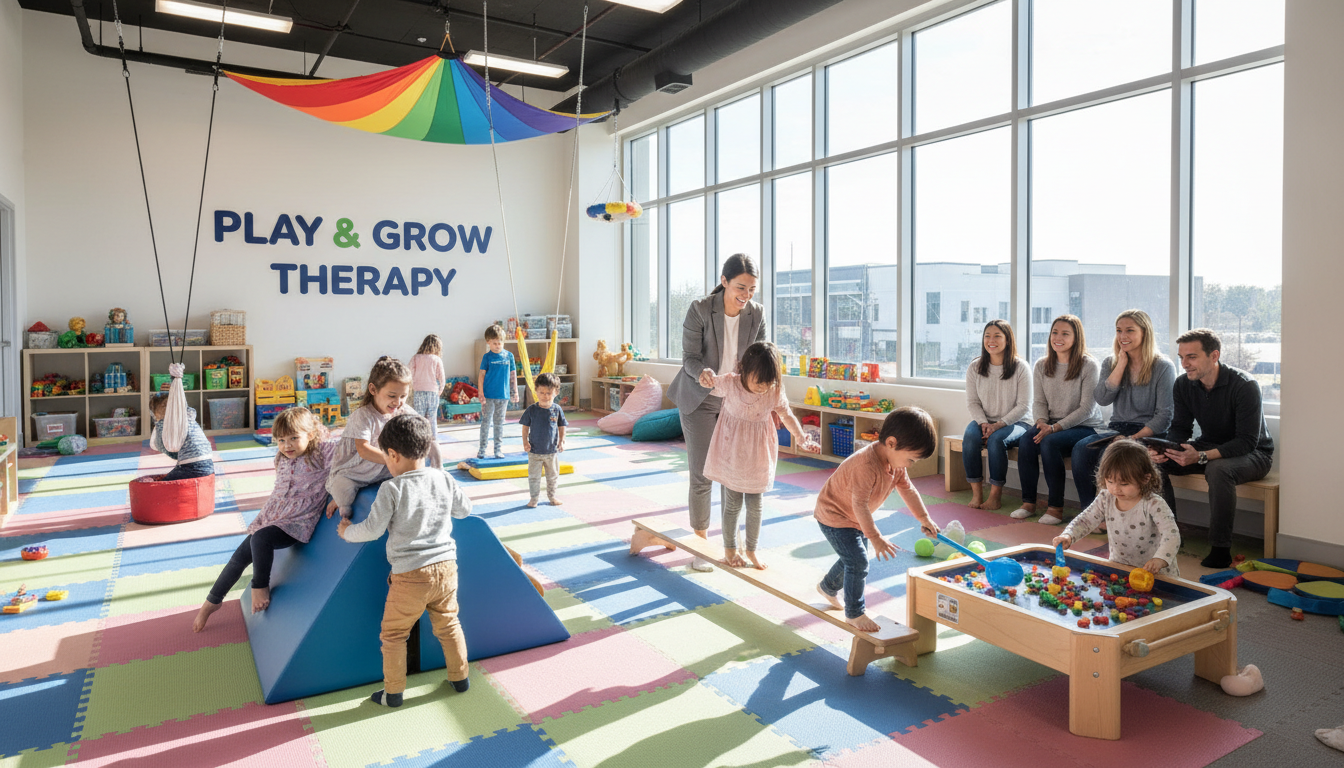
The success of ABA therapy often depends on collaboration between therapists, families, and educators. By working together, these groups can create a supportive environment that reinforces the skills learned during therapy sessions. Parents and teachers can provide additional opportunities for practice, helping children to generalize their skills across different settings.
Regular communication between all parties ensures consistency and maximizes the effectiveness of the therapy. By maintaining a unified approach, children receive the support they need to thrive both at home and in educational settings.
Conclusion
ABA therapy plays a vital role in supporting social skills development in autistic children. By offering tailored strategies and techniques, it provides a pathway for children to enhance their communication and interaction abilities. Through collaboration and consistent reinforcement, ABA therapy helps children build the confidence and skills necessary for successful social engagement.