
Back-to-School Support Strategies for Autistic Children in New Jersey
Understanding the Unique Needs of Autistic Children
Preparing for the back-to-school season can be a challenging time for autistic children and their families. In New Jersey, various strategies can be implemented to ensure a smooth transition and provide the necessary support for these students. Understanding their unique needs is the first step towards creating a nurturing educational environment.
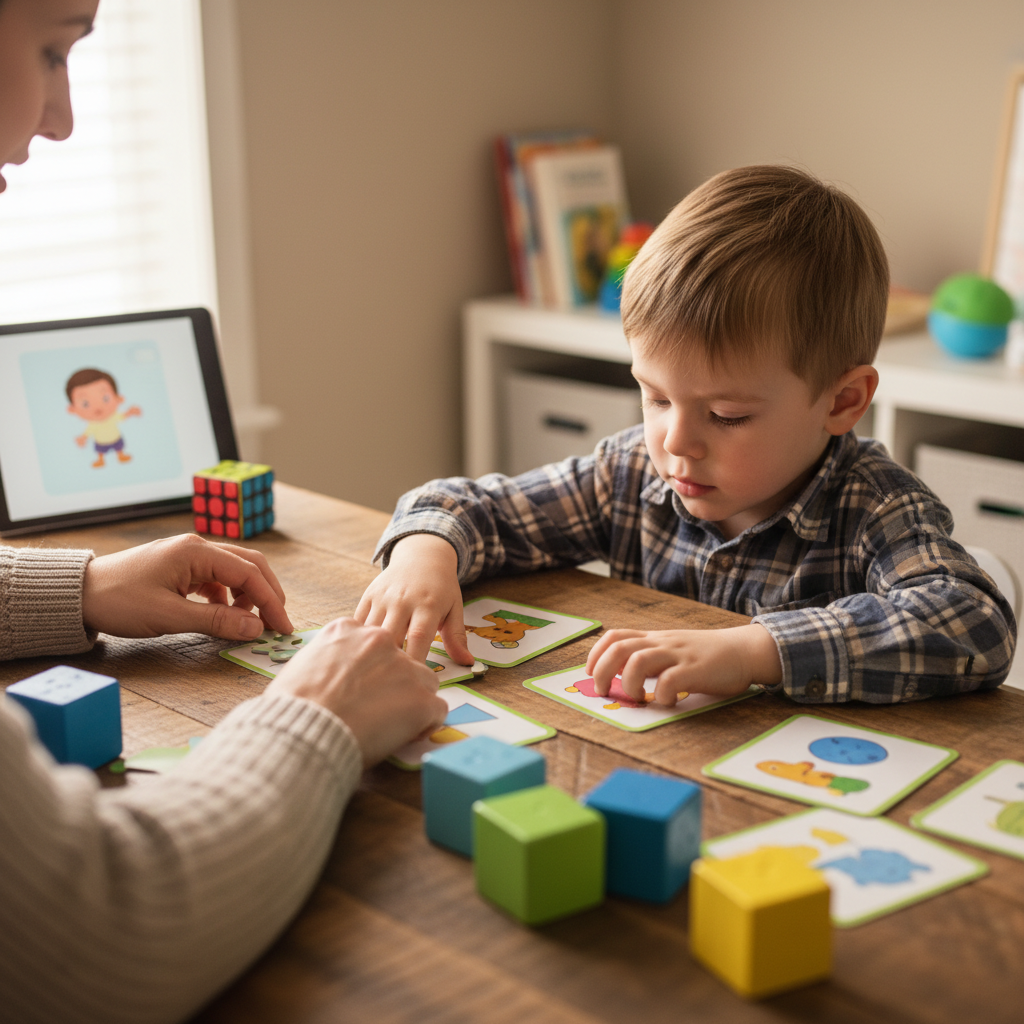
Autistic children often benefit from structure and routine. Schools and parents should collaborate to develop consistent schedules that help reduce anxiety. Additionally, visual aids and clear instructions can significantly enhance their learning experience, providing clarity and predictability.
Creating a Supportive Educational Environment
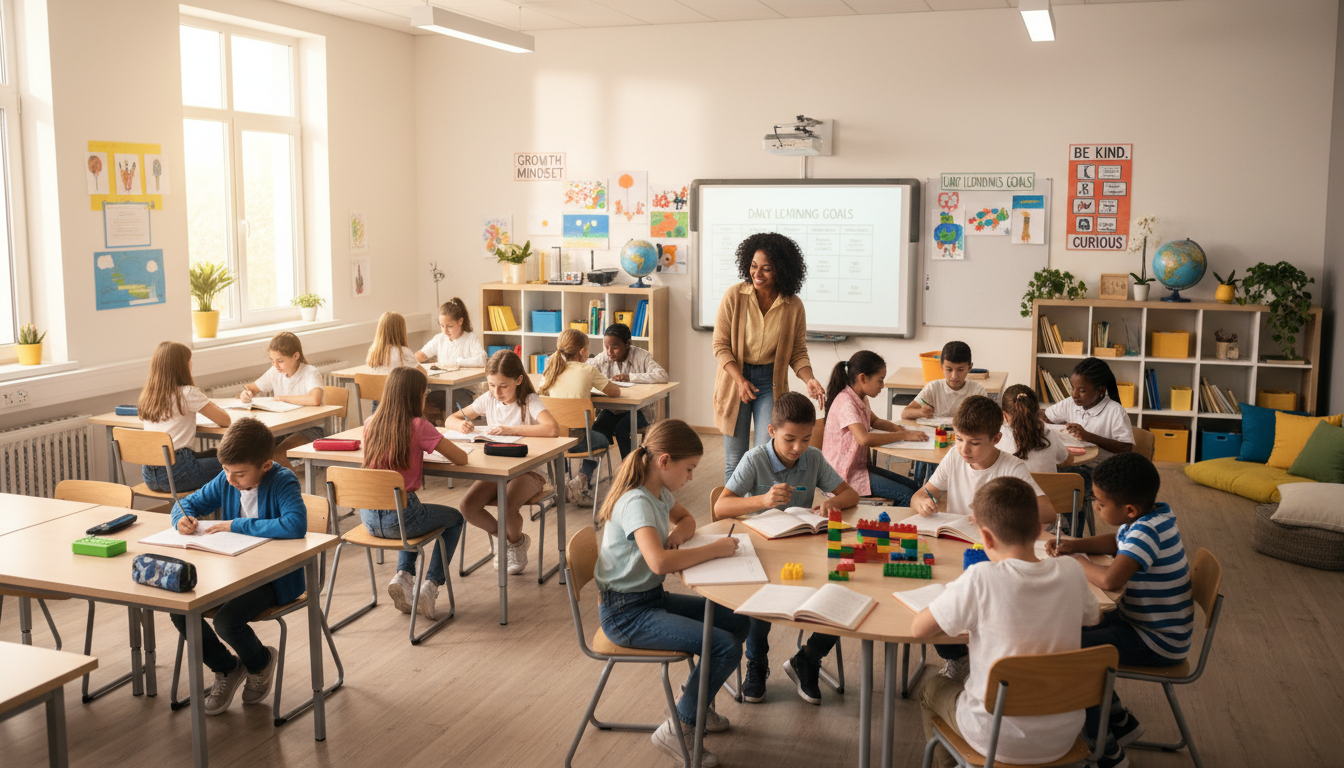
Establishing a supportive educational environment involves collaboration among teachers, parents, and support staff. Schools in New Jersey can implement Individualized Education Plans (IEPs) tailored to each child's specific needs. These plans should include goals and accommodations that reflect the child's strengths and challenges.
Teachers can also benefit from specialized training on autism spectrum disorders. This training can help educators understand sensory sensitivities and communication differences, allowing them to adapt their teaching methods accordingly. Encouraging peer understanding and acceptance is equally important, fostering an inclusive classroom culture.
Utilizing Technology and Resources
Technology can be a powerful tool in supporting autistic children. Various apps and software programs are designed to aid communication, social skills, and learning. Schools can integrate these technologies into their curriculum to enhance engagement and participation.
Local resources in New Jersey, such as support groups and community organizations, can provide additional assistance. These resources offer workshops, events, and networking opportunities for families, creating a community of support and shared experiences.

Building a Partnership with Parents
Strong communication between schools and families is crucial. Regular meetings and updates ensure that parents are informed about their child's progress and any challenges they may face. Parents can also provide valuable insights into their child's preferences and coping strategies.
Creating a home-school connection can reinforce learning and provide continuity. Parents can work with educators to implement consistent routines and reinforce skills learned at school, ensuring a cohesive approach to their child's development.
Encouraging Social Integration
Social integration is a vital aspect of schooling for autistic children. Schools can facilitate social skills groups and buddy programs to help children develop friendships and improve their social interactions. These programs should focus on building empathy and understanding among all students.
Extracurricular activities offer additional opportunities for social engagement. Encouraging participation in clubs, sports, or arts can help autistic children explore interests and build self-confidence in a supportive setting.